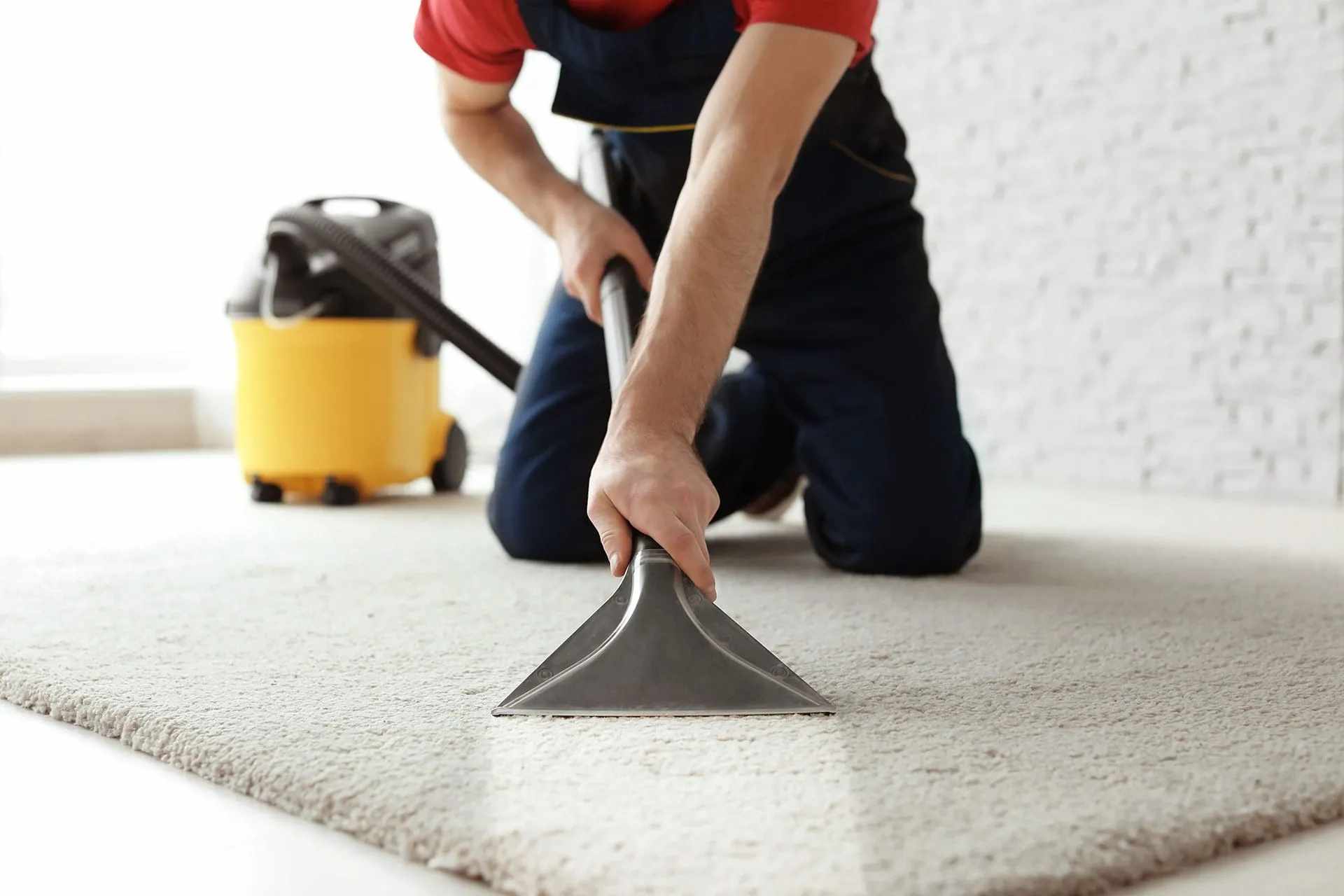
Maintaining a clean home goes beyond regular tidying up and surface dusting. Deep Home Cleaning is an intensive cleaning process designed to eliminate grime, allergens, and built‑up dirt from every corner of your living space. Whether you are preparing for a special occasion, moving into a new home, or simply seeking a healthier environment, deep cleaning makes a meaningful difference.
In this guide, we will cover:
- What deep home cleaning is
- Why it matters
- Step‑by‑step processes
- Tools and products that help
- Tips for maintaining a deep‑cleaned home
- How professional services can assist you
What Is Deep Home Cleaning?
Deep home cleaning goes further than standard cleaning routines like sweeping floors or wiping countertops. It focuses on areas that are often overlooked, such as behind appliances, inside cabinets, under furniture, and high‑touch surfaces that accumulate germs over time.
Deep cleaning typically includes:
- Thorough bathroom sanitization
- Kitchen degreasing and appliance cleaning
- Dust removal from ceiling fans, light fixtures, and vents
- Washing baseboards, doors, and window frames
- Carpet and upholstery cleaning
The goal is to restore every space in your home to its healthiest, most presentable condition.
Why Deep Home Cleaning Matters
Deep cleaning is more than aesthetic. It has significant benefits for health, safety, and overall comfort:
Health Benefits
A deep clean eliminates dust mites, mold spores, pet dander, and bacteria that can trigger allergies and respiratory issues. For families with children or individuals with asthma, this level of cleaning can dramatically improve indoor air quality.
Improved Comfort
Living in a space that feels fresh and immaculate enhances comfort and reduces stress. A deep‑cleaned home can feel more open, brighter, and more inviting.
Longer‑Lasting Materials
Dirt buildup can damage surfaces over time. For example, grease in the kitchen can eat away at finishes on cabinets and appliances. Regular deep cleaning helps protect your investment in your home and furnishings.
Better Indoor Air Quality
Standard dusting often misses particles hidden in upholstery, carpets, and curtains. Deep cleaning captures and removes these particles, reducing airborne pollutants and making breathing easier.
Deep Home Cleaning Checklist
Below is a room‑by‑room checklist to help you organize your deep cleaning process:
Kitchen Deep Cleaning
- Clean inside and behind large appliances like refrigerators and ovens.
- Degrease cabinet surfaces, handles, and backsplash tiles.
- Scrub sinks, faucets, and drains.
- Clean dishwasher filters and garbage disposal units.
- Wipe interior shelves and drawers.
- Use a product like Dyson V15 Detect Vacuum to capture fine dust and debris.
- Sanitize countertops and pantry areas.
Bathroom Deep Cleaning
- Remove soap scum and limescale from tiles, tubs, and shower doors.
- Sanitize toilets, sinks, and faucets.
- Clean grout lines with appropriate cleaners.
- Wash shower curtains or replace liners.
- Clean mirrors and light fixtures.
- Dust and wipe vanities and storage areas.
Living Room and Bedrooms
- Vacuum and steam clean carpets and area rugs.
- Clean under furniture and behind electronics.
- Dust blinds, curtains, and vents.
- Shampoo upholstered furniture.
- Wipe baseboards, doors, and frames.
- Use a tool like Bissell Big Green Deep Cleaning Machine for heavy‑duty carpet and upholstery cleaning.
Essential Tools for Deep Home Cleaning
Having the right tools helps make deep cleaning efficient and effective. Below are some of the must‑have items:
Vacuums and Carpet Cleaners
A high‑performance vacuum with attachments reaches deep into carpets and upholstery. Consider the Miele Complete C3 Vacuum, known for strong suction and specialized filters.
For carpets and rugs, machines like the Hoover Power Scrub Elite provide powerful extraction to remove embedded dirt.
Microfiber Cloths and Mop Systems
Microfiber cloths trap dust without spreading it around. Combine them with a mop system such as the O‑Cedar EasyWring Microfiber Spin Mop for floors, tiles, and hard surfaces.
Specialty Cleaning Products
- Descaling solutions for bathrooms and kitchens
- Multi‑surface disinfectants
- Glass and mirror cleaners
- All‑purpose cleaners with antibacterial properties
Using products designed for specific surfaces ensures best results and protects finishes.
Step‑By‑Step Deep Home Cleaning Process
Below is a structured process you can follow for a deep clean:
1. Declutter Before You Clean
Start by removing items that are out of place. Decluttering surfaces makes cleaning easier and prevents dust and dirt from hiding underneath objects.
2. Work from Top to Bottom
Dust and debris fall downward. Begin with ceiling fans and light fixtures, then work your way down to furniture, floors, and baseboards.
3. Clean Room by Room
Focus on completing each room before moving to the next. This prevents backtracking and ensures thorough coverage.
4. Pay Attention to Hidden Spots
Don’t skip places like:
- Behind appliances
- Inside drawers
- Under cushions
- Around vents
These areas often collect the most dust and grime.
5. Sanitize High‑Touch Areas
Use disinfectants on door handles, light switches, railings, and remote controls.
6. Finish with Floors
Sweep, vacuum, and mop floors last to pick up all remaining dust and debris.
Professional Deep Home Cleaning Services
Sometimes it makes sense to hire professionals for deep cleaning, especially if you have a large home or limited time.
Professional companies can provide:
- Trained cleaners with specialized equipment
- Thorough disinfection services
- Time‑saving solutions for busy homeowners
When choosing a service, look for providers with strong reviews and transparent pricing.
How Often Should You Deep Clean?
The frequency of deep cleaning depends on your lifestyle, home size, and individual needs. General recommendations include:
- Twice per year for most households
- Quarterly for homes with pets or allergy sufferers
- More frequent cleaning during peak seasons or after renovations
Maintaining a regular cleaning schedule between deep cleanings can reduce buildup and make future deep cleans easier.
Tips for Maintaining a Deep‑Cleaned Home
After investing time in deep cleaning, you’ll want to keep your home looking and feeling fresh. Here are some tips:
Create a Weekly Routine
Spend a few minutes each day tackling small tasks like wiping counters, sweeping floors, and dusting surfaces.
Use Doormats
Place mats at entrances to reduce the dirt tracked into your home.
Encourage Shoe‑Free Zones
Asking family and guests to remove shoes helps limit pollutants and debris.
Clean Spills Promptly
Quick cleanup prevents stains and buildup on carpets and upholstery.
Air Out Your Home
Opening windows periodically improves ventilation and reduces stale air.
Final Thoughts
Deep home cleaning is a valuable investment in your home’s health, appearance, and longevity. With the right tools, products, and approach, you can transform your living space into a cleaner, healthier environment.
Whether you handle the process yourself or partner with professional services, a well‑executed deep cleaning leaves your home feeling refreshed and revitalized. Prioritize deep cleaning regularly and combine it with ongoing maintenance to enjoy long‑lasting results.
Leave a Reply