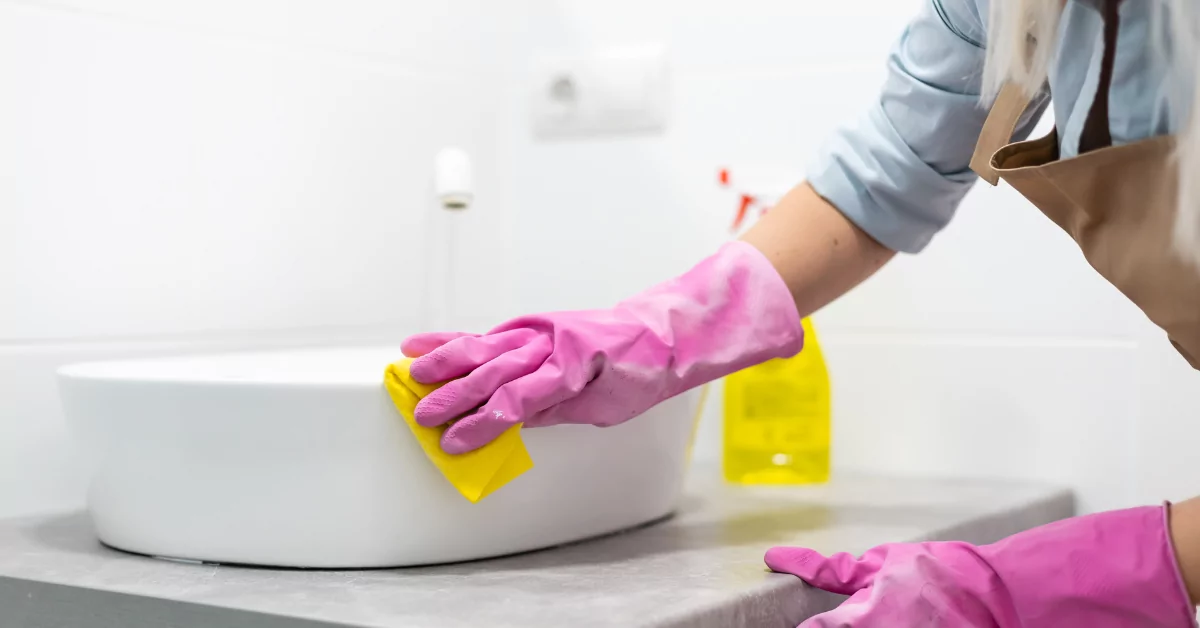
Maintaining a clean bathroom is essential for a healthy home. Bathrooms are one of the most frequently used rooms in any household, and they can harbor a wide range of bacteria, viruses, and mold if not cleaned properly. This detailed guide will walk you through the best bathroom sanitizing tips, including step‑by‑step strategies, professional recommendations, and product suggestions to help you keep your space spotless and safe.
Why Bathroom Sanitization Matters
Bathrooms naturally accumulate moisture and organic matter, making them ideal environments for the growth of germs. According to the Centers for Disease Control and Prevention (CDC), regular sanitization of high‑touch surfaces significantly reduces the spread of infectious pathogens in homes. Proper cleaning and sanitizing also help prevent unpleasant odors, discoloration, mildew, and damage to bathroom fixtures.
Sanitizing goes beyond simple cleaning. While cleaning removes visible dirt and grime, sanitizing reduces the number of microbes on a surface to a safe level. This article focuses on effective methods that combine both cleaning and sanitizing for optimal bathroom hygiene.
Tools & Supplies You’ll Need
Before you start sanitizing, gather the right tools and products. Using effective and reliable supplies ensures better results and saves time.
Essential Tools
- Microfiber cloths
- Scrub brushes with stiff bristles
- Spray bottles
- Disposable gloves
- Toilet brush
- Bucket
Recommended Cleaning & Sanitizing Products
- Clorox Disinfecting Bleach – Powerful disinfectant for toilets, tubs, and tiles.
- Lysol Clean & Fresh Multi‑Surface Cleaner – Great for sinks, counters, and hard surfaces.
- Seventh Generation Disinfecting Bathroom Cleaner – Plant‑based option ideal for eco‑conscious households.
- Method Bathroom Cleaner – Effective and environmentally friendly for daily use.
- Environmental Protection Agency (EPA) approved disinfectants – Look for products on the EPA’s List N for broad‑spectrum germ killing.
Step‑by‑Step Bathroom Sanitizing Routine
Here’s a systematic approach to sanitizing your bathroom from top to bottom:
1. Declutter and Prepare
Begin by removing personal items such as toothbrushes, towels, bath mats, and toiletries. This makes it easier to clean every surface without obstruction.
2. Dust and Sweep
Dust light fixtures, vents, window sills, and shelves using a dry microfiber cloth. Follow with a sweep or vacuum to remove hair and loose debris from floors.
3. Clean the Shower and Bathtub
The shower and bathtub often hold soap scum and grime.
Tips:
- Spray Lysol Clean & Fresh Multi‑Surface Cleaner or Seventh Generation Disinfecting Bathroom Cleaner on the walls and floor.
- Allow it to sit for 5–10 minutes to penetrate buildup.
- Scrub tiles and grout lines with a stiff brush.
- Rinse thoroughly with warm water.
- For stubborn soap scum, a paste of baking soda and water can enhance cleaning.
4. Sanitize Fixtures: Faucets, Handles & Showerheads
Areas like faucet handles and shower controls are high‑touch points.
Technique:
- Spray an EPA‑approved disinfectant on these touches.
- Wipe with a clean microfiber cloth.
- Pay special attention to areas that may collect water or fingerprints.
5. Clean and Disinfect the Toilet
Sanitizing the toilet should be a priority given its exposure to germs.
Routine:
- Apply Clorox Disinfecting Bleach inside the bowl.
- Scrub thoroughly with a toilet brush.
- Wipe the seat, lid, handle, and exterior with a disinfectant spray.
- Allow surfaces to air dry so the disinfectant can work effectively.
6. Sanitize the Sink and Countertops
Sinks and countertops come into contact with toothpaste, soap, and more.
Method:
- Wipe all surfaces with a disinfectant spray.
- Pay attention to faucet handles and drain edges.
- Rinse with clean water if using bleach‑based products to avoid residue.
7. Floor Cleaning and Final Touches
Floors can collect water splashes, dirt, and hair.
Steps:
- Mop with a disinfectant solution.
- For tile floors, use hot water with a disinfectant cleaner.
- Change mop water often to avoid spreading germs.
Deep Cleaning vs Regular Sanitizing
Understanding the difference between regular sanitizing and periodic deep cleaning helps maintain long‑term hygiene.
Regular Sanitizing
- Recommended once or twice a week
- Focuses on high‑touch surfaces and visible dirt
Deep Cleaning
- Recommended once a month
- Involves grout deep scrubbing, descaling showerheads, and tackling mold or mildew
Natural Alternatives for Sanitizing
For households looking to avoid harsh chemicals, there are natural sanitizing alternatives:
Vinegar and Baking Soda
- Vinegar has mild disinfectant properties.
- Works well for tile, glass, and countertops.
- Combine with baking soda to boost scrubbing power.
Tea Tree Oil Solution
- Mix water with a few drops of tea tree oil.
- Effective against mold and mildew.
- Ideal for shower corners and grout lines.
Hydrogen Peroxide
- Acts as an antiseptic and disinfectant.
- Apply directly to surfaces, let sit for 10 minutes, then wipe.
Note: Natural options may not be as strong as EPA‑approved disinfectants. Use them for routine cleaning, and consider stronger products for germ‑heavy areas.
Sanitizing High‑Touch Spots You Might Miss
Bathrooms have many spots that are often overlooked:
- Light switches
- Door handles
- Hairbrushes and combs
- Trash can lids
- Toothbrush holders
Use disinfectant wipes or sprays to clean these regularly.
Preventing Mold and Mildew
Mold thrives in humidity. The following habits reduce mold growth:
- Use exhaust fans during and after showers.
- Wipe wet surfaces after use.
- Wash shower curtains and mats frequently.
- Address leaks promptly.
Safety Tips When Sanitizing
Follow these safety measures to protect your health:
- Wear gloves to avoid contact with harsh chemicals.
- Ensure good ventilation by opening windows or using fans.
- Do not mix bleach with ammonia or other cleaners.
- Store cleaning products out of reach of children and pets.
The Role of Routine in Long‑Term Bathroom Hygiene
Consistency is key. Establishing a routine not only saves effort but also keeps your bathroom hygienic and pleasant. Create a weekly checklist that includes:
- Toilet sanitization
- Sink and counter wipe down
- Floor cleaning
- Shower wall maintenance
By spreading tasks throughout the week, you prevent buildup and make sanitizing more manageable.
Final Thoughts
Sanitizing your bathroom is essential for maintaining a clean and healthy home. With the tips provided, you can confidently tackle germs, bacteria, and mold while preserving the shine and longevity of your bathroom fixtures. Using the right products, tools, and techniques will help you achieve a sanitary environment that protects your family’s health and promotes peace of mind.
Whether you’re doing a weekly clean or a deep seasonal scrub, these bathroom sanitizing tips will ensure your space remains fresh, safe, and inviting.
Leave a Reply