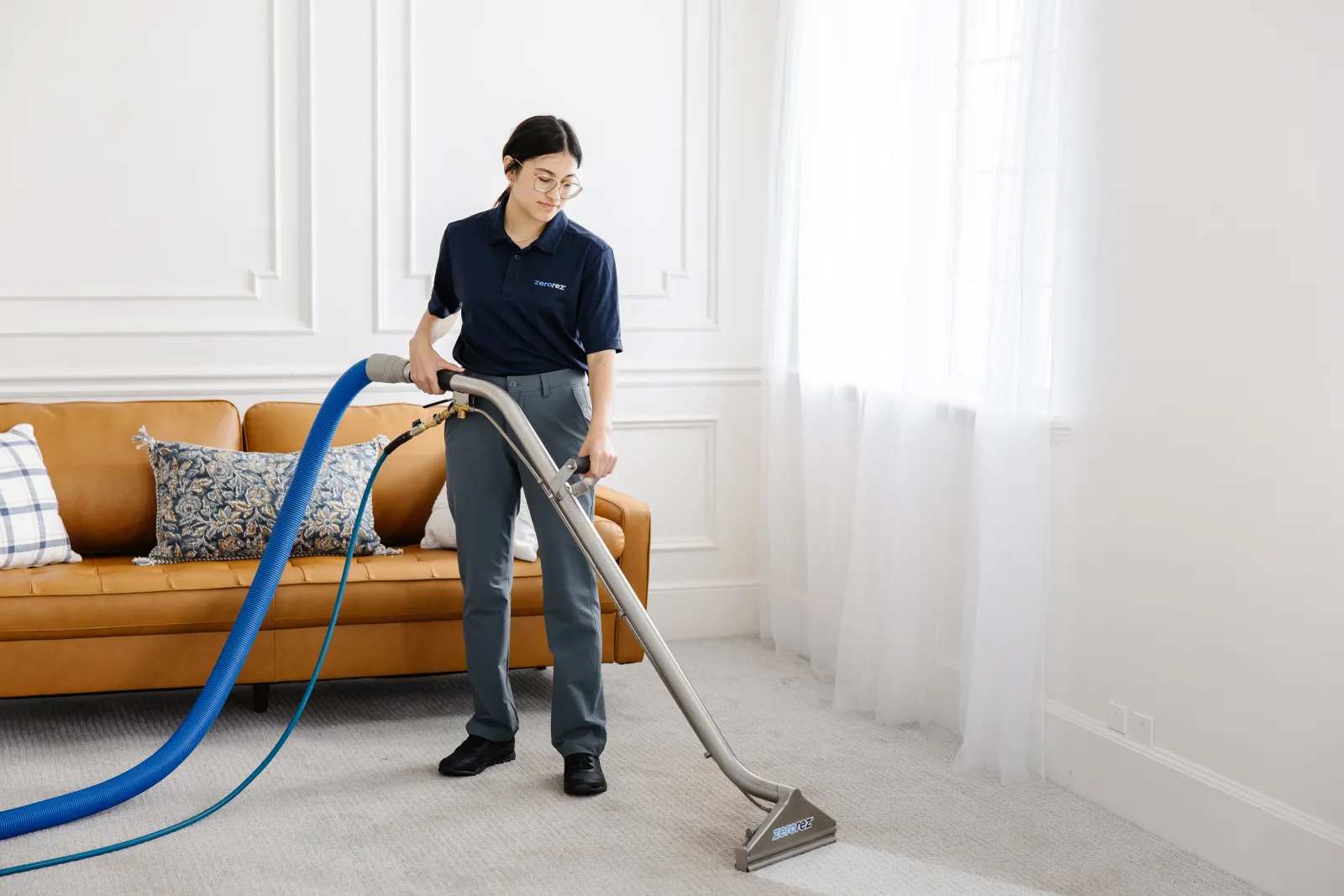
Maintaining clean carpets is essential for a healthy, attractive home or business environment. Carpets accumulate dirt, allergens, stains, and odors over time, which can affect indoor air quality and overall appearance. Choosing the right carpet cleaning method can make all the difference in prolonging carpet life, preserving color and texture, and ensuring effective removal of contaminants.
In this comprehensive guide, we will explore the most popular and effective carpet cleaning methods, explain how each one works, highlight the advantages and disadvantages, and offer practical tips for homeowners and facility managers. Whether you’re dealing with pet stains, high‑traffic areas, or deep‑set soil, this guide will help you make informed decisions.
Why Carpet Cleaning Matters
Carpet cleaning is more than just aesthetics. Dirty carpets can harbor allergens, dust mites, mold spores, and bacteria. Over time, these contaminants circulate in the air, potentially triggering respiratory issues for sensitive individuals. Regular professional cleaning and proper maintenance:
- Improves indoor air quality
- Extends carpet lifespan
- Prevents fiber breakdown
- Enhances appearance and feel
- Removes stubborn stains and odors
Search engines increasingly prefer content that delivers real value, so understanding the why before diving into the how builds credibility and helps readers stay engaged.
Major Carpet Cleaning Methods Explained
Carpet cleaning methods vary in technique, equipment, cost, and results. Below are the most widely used and recommended techniques by industry professionals.
1. Hot Water Extraction (Steam Cleaning)
Hot Water Extraction, commonly known as Steam Cleaning, is often considered the most thorough carpet cleaning method. Despite the name, it does not use steam in the traditional sense; instead, it uses high‑pressure heated water and cleaning solutions.
How It Works
- Pre‑inspection of carpet and fibers
- Application of cleaning solution to loosen dirt
- High‑pressure extraction of water and soil
- Grooming and drying
Pros
- Deep penetration into carpet fibers
- Excellent for removing embedded dirt and allergens
- Recommended by most carpet manufacturers
Cons
- Longer drying time than some methods
- Requires professional equipment for best results
Hot Water Extraction is especially effective in homes with children or pets and in commercial spaces where heavy foot traffic is common.
2. Dry Carpet Cleaning
Dry Carpet Cleaning, also called Low‑Moisture Cleaning, uses specialized machines, absorbent compounds, or encapsulation products to clean carpets without excessive water.
Common Dry Cleaning Techniques
- Absorbent Compound Cleaning
- Encapsulation
- Dry Foam Cleaning
Each technique involves spreading cleaning agents that bind to dirt and are later vacuumed up.
Advantages
- Fast drying time (often ready to walk on immediately)
- Ideal for sensitive environments like offices or hotels
- Less risk of mold or mildew
Disadvantages
- May not clean as deeply as hot water extraction
- Some compounds can leave residue
Dry carpet cleaning is excellent for regular maintenance or quick turnaround situations.
3. Shampooing
Carpet Shampooing is a traditional method that uses a foamy chemical applied with a machine to agitate and clean carpet fibers.
Process Overview
- Apply shampoo foam evenly
- Brush or agitate to work into fibers
- Vacuum once dry
Benefits
- Effective for heavily soiled carpets
- Affordable compared to some deep‑cleaning methods
Drawbacks
- Longer drying times
- Potential for sticky residue if not rinsed properly
Shampooing can be helpful in older homes or spaces that haven’t been cleaned regularly.
4. Bonnet Cleaning
Bonnet Cleaning is a surface cleaning method commonly used in commercial settings such as offices, hotels, and large buildings.
What It Involves
A rotary machine with a spinning pad (the “bonnet”) and cleaning solution is used to absorb dirt from the carpet surface.
Advantages
- Quick and cost‑effective
- Ideal for light soil
- Low‑moisture process
Limitations
- Does not extract deep‑down dirt
- Not suitable for heavy stains or deep cleaning
Bonnet cleaning is a popular choice for routine maintenance between deep cleanings.
Carpet Cleaning Methods Comparison
Below is a quick comparison to help you choose the best approach:
| Method | Drying Time | Deep Cleaning | Best For | Cost Level |
|---|---|---|---|---|
| Hot Water Extraction | 6–12 hrs | Excellent | Deep stains, allergens | Mid–High |
| Dry Carpet Cleaning | <1 hr | Moderate | Quick turnaround | Mid |
| Shampooing | 8–24 hrs | Moderate | Heavy soiling | Low–Mid |
| Bonnet Cleaning | <1 hr | Surface Only | Commercial routine care | Low |
When to Choose Each Carpet Cleaning Method
The best carpet cleaning method depends on your goals, carpet type, and usage patterns.
For Homes with Pets
Hot Water Extraction is typically the best choice because it thoroughly removes odor and allergens that pets leave behind.
For Office Spaces
Dry cleaning and bonnet cleaning are effective options due to minimal drying times and quick return‑to‑service.
For Deep Stains and Heavy Soil
Hot Water Extraction and Shampooing can break down stubborn dirt more effectively than surface‑only methods.
For Regular Maintenance
Dry carpet cleaning is cost‑effective and keeps carpets looking refreshed between deeper cleanings.
Tips for Better Carpet Cleaning Results
No matter which cleaning method you choose, follow these best practices:
- Vacuum regularly to reduce dirt build‑up
- Pre‑treat stains promptly
- Follow manufacturer recommendations
- Test new cleaning products in hidden areas
- Hire certified technicians when possible
Selecting the right carpet cleaning method also helps maintain manufacturer warranties, especially for high‑end or delicate carpet fibers.
Frequently Asked Questions (FAQs)
How often should carpets be professionally cleaned?
Most professionals recommend carpet cleaning at least once every 12–18 months, but high‑traffic areas or pet homes may need cleaning every 6–12 months.
Can carpet cleaning remove all stains?
While many stains can be effectively treated, set‑in stains may require multiple treatments or specialized solutions.
Is steam cleaning safe for all carpet types?
Hot Water Extraction is safe for most carpets, but always verify with your carpet manufacturer to prevent damage to dyes or fibers.
Conclusion
Understanding the various carpet cleaning methods empowers you to choose the best option for your space. Hot Water Extraction delivers deep cleaning power, while Dry Carpet Cleaning and Bonnet Cleaning offer faster turnaround and convenience. Shampooing remains a useful option for heavy soil but requires proper care to avoid residue.
Well‑maintained carpets contribute to a healthier indoor environment, improved aesthetics, and enhanced comfort. By selecting the right method and scheduling regular cleanings, you’ll protect your investment and enjoy fresher, cleaner floors year‑round.
Leave a Reply