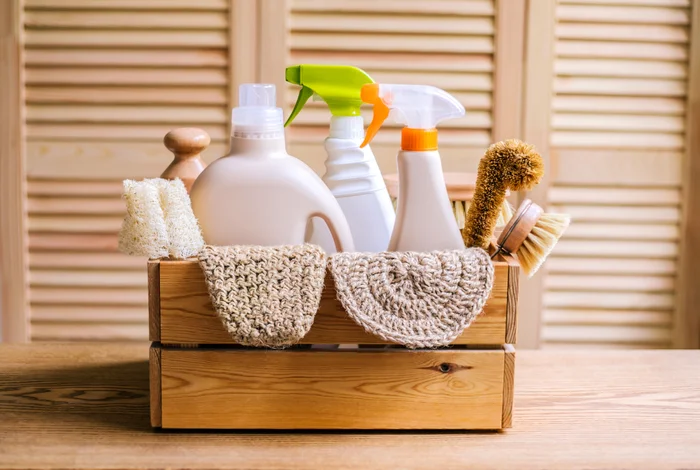
Eco friendly cleaning has moved from a niche lifestyle choice to a mainstream approach that benefits both your home and the environment. As more people become conscious of the impact household products have on health and the planet, eco‑friendly cleaning solutions are now essential for every sustainable household. Whether you’re looking to reduce chemical exposure, safeguard your family’s health, or minimize environmental harm, this comprehensive guide explores everything you need to know about eco friendly cleaning — from what it means to go green, to actionable tips, product selection, and DIY methods.
What Is Eco Friendly Cleaning?
Eco friendly cleaning refers to cleaning practices and products designed to minimize negative impacts on both human health and the environment. Unlike traditional cleaning products that often contain harsh chemicals like ammonia, chlorine, and synthetic fragrances, eco‑friendly cleaners use natural, plant‑based, biodegradable ingredients that break down safely after use. These eco‑friendly products reduce water pollution, improve indoor air quality, and protect ecosystems from harmful toxins.
Eco friendly cleaning also includes adopting sustainable habits, reducing waste by using reusable tools, and opting for packaging that can be recycled or refilled. The goal is not just cleanliness, but doing so in a way that supports long‑term environmental health.
Why Choose Eco Friendly Cleaning?
Health Benefits
One of the biggest advantages of eco friendly cleaning is improved health and safety. Conventional cleaning products often release volatile organic compounds (VOCs) and other toxic chemicals into the air, which can trigger respiratory issues, skin irritation, headaches, and long‑term health concerns. Eco‑friendly cleaning products, on the other hand, typically avoid these harmful chemicals, making them safer for children, pets, and individuals with allergies or sensitivities.
Because eco‑friendly cleaners are low in VOCs and other irritants, they contribute to better indoor air quality, reducing the risk of asthma, sinus issues, and other respiratory problems associated with poor indoor environments.
Environmental Advantages
Traditional cleaning products contribute to environmental pollution when their chemical residues enter waterways and soil. Eco‑friendly cleaning products are formulated to be biodegradable, meaning they naturally break down without harming aquatic life or ecosystems.
Many eco‑friendly brands also use sustainable packaging — recycled, recyclable, or refillable — which significantly decreases plastic waste. Choosing concentrated formulas or products with minimal packaging further reduces your carbon footprint.
Surface Safety
Despite myths that “green” products are less effective, many eco‑friendly cleaning solutions are powerful and safe to use on a wide range of surfaces. Natural agents like vinegar, baking soda, lemon juice, and essential oils can effectively break down dirt, grease, and grime when used properly.
Key Components of Eco Friendly Cleaning Products
Understanding what makes a cleaning product eco‑friendly helps you make better purchasing decisions:
- Plant‑based ingredients: Derived from natural sources such as citrus, coconut, or essential oils.
- Biodegradable formulas: Designed to break down naturally without harming the ecosystem.
- Non‑toxic compounds: Free from formaldehyde, phthalates, and harsh synthetic fragrances.
- Sustainable packaging: Made from recycled materials or designed for refill and reuse.
- Third‑party certifications: Look for recognized eco labels that ensure environmental safety claims are legitimate.
Practical Eco Friendly Cleaning Tips for Every Room
Below are room‑by‑room tips that help you reduce chemical use, cut waste, and maintain a healthy home environment.
Kitchen
The kitchen is one of the most frequently cleaned areas, making it ideal for integrating eco‑friendly cleaning habits:
- All‑Purpose Spray: Mix distilled white vinegar and water in a glass spray bottle as a multi‑surface cleaner for countertops, appliances, and cabinets.
- Microwave Refresh: Heat a bowl of water with lemon slices for a few minutes, then wipe away stuck‑on food easily.
- Sink Care: Sprinkle baking soda, add vinegar, and scrub to eliminate odors and clean drains naturally.
Bathroom
Bathrooms can harbor bacteria and grime, but you don’t need harsh chemicals to clean effectively:
- Toilets: Use a combination of vinegar and baking soda to break down stains and sanitize surfaces.
- Showerheads: Soak in vinegar overnight to remove mineral buildup without abrasive tools.
- Grout and Tile: A paste of baking soda and hydrogen peroxide can tackle stubborn stains without damaging grout.
Living Rooms and Bedroom Areas
Reducing allergens and dust in living spaces improves comfort and air quality:
- Dusting: Use reusable microfiber or cotton cloths to trap dust rather than spreading it.
- Carpet Freshness: Sprinkle baking soda, let it sit, then vacuum to neutralize odors.
- Upholstery: A gentle mix of water and castile soap can clean fabric surfaces when tested on a small area first.
Laundry
Even laundry routines can be eco‑friendly:
- DIY Detergents: Homemade detergents made with washing soda and castile soap reduce chemical exposure.
- Vinegar Boost: Add a half‑cup of vinegar in the rinse cycle to soften clothes and deodorize naturally.
- Cold Water Washing: Washing in cold water saves energy and extends fabric lifespan.
Tools and Supplies for Sustainable Cleaning
Making eco friendly cleaning work well also means investing in reusable and sustainable tools:
- Reusable Cloths: Replace disposable paper towels with washable microfiber or cotton cloths.
- Washable Mop Heads: Machine‑washable mop pads reduce disposable waste.
- Compostable Sponges: Sponges made from bamboo or loofah can be composted at the end of life.
- Glass Bottles: Using refillable glass bottles cuts down on plastic consumption over time.
DIY Natural Cleaners You Can Make at Home
DIY eco‑friendly cleaning solutions are cost‑effective and customizable:
- All‑Purpose Cleaner: Mix equal parts water and white vinegar in a spray bottle.
- Baking Soda Scrub: Combine baking soda with a small amount of water to make a mild, abrasive cleaner for tough spots.
- Citrus Cleaning Spray: Add lemon or orange peels to vinegar and let infuse for a week for a pleasantly scented cleaner.
- Essential Oil Boost: Add a few drops of tea tree, lavender, or lemon essential oil for natural antibacterial properties and fresh aroma.
Common Myths and Misconceptions
Many people hesitate to fully switch to eco‑friendly cleaning due to misconceptions:
Myth: Eco‑friendly products are less effective.
Truth: Natural ingredients like vinegar, baking soda, and plant‑derived enzymes can be just as powerful when used correctly — often paired with elbow grease and the right technique.
Myth: Green products are always expensive.
Truth: DIY solutions and concentrated products often save money over time, especially when combined with reusable tools.
Final Thoughts on Eco Friendly Cleaning
Embracing eco friendly cleaning isn’t just about swapping products; it’s a lifestyle choice that promotes healthier living and long‑term sustainability. From reducing harmful chemical exposure to protecting the environment through biodegradable formulas and recyclable packaging, eco‑friendly cleaning offers substantial benefits for homes and the planet alike. Whether you’re just starting or looking to deepen your green cleaning habits, incorporating natural ingredients, mindful tools, and thoughtful practices will make your spaces cleaner, safer, and truly eco‑friendly.
Leave a Reply